Source anti-wear industrial gear oil for transmission, cooling, and sealing
Compare 30 listings of anti-wear industrial gear oil featuring synthetic and mineral base oils with viscosity grades from SAE 5W to ISO VG 460. Buyers can evaluate additives, packaging options, and OEM services from suppliers in China.
Key considerations
Products List


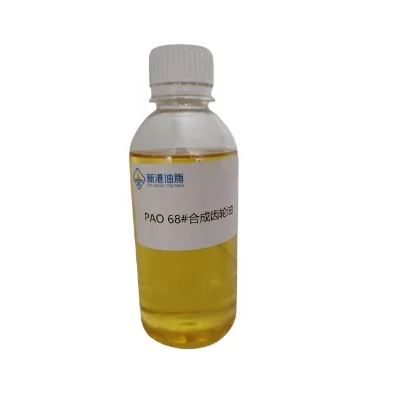


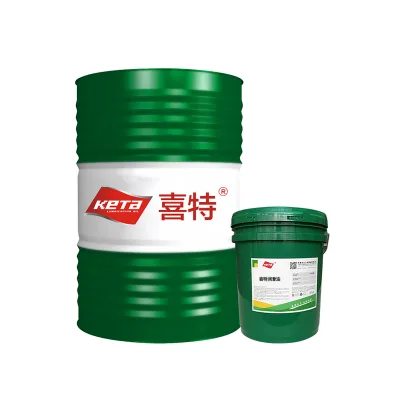


Anti-Wear Industrial Gearbox Lubricant High Performance Gear Oil 320
$40.00 - $400.00
MOQ: 1000 barrel

Wholesale China Heavy Duty Mineral Gear Oil with Excellent Load Carrying
$40.00 - $400.00
MOQ: 1000 barrel


Comprehensive Sourcing Guide
Strategic Sourcing Guide for Anti-Wear Industrial Gear Oil
Procuring anti-wear industrial gear oil requires a disciplined approach that balances technical performance with supply chain reliability. The global market for lubricants is vast, and the specific requirements for gear protection vary significantly based on operating conditions, load, and speed. Buyers must navigate a complex landscape of base oil types, additive packages, and packaging standards to ensure the selected product delivers the necessary longevity and efficiency. This guide outlines the critical factors for sourcing high-performance gear oil, focusing on verified attributes, compliance standards, and strategic supplier evaluation.
Technical Specifications and Base Oil Composition
The foundation of any effective gear oil lies in its base oil type and viscosity grade. Market observations indicate a divergence between synthetic and mineral oil formulations, each serving distinct operational needs. Synthetic oil products are frequently cited for their superior thermal stability and oxidation resistance, making them ideal for extreme temperature environments. Conversely, mineral oil options remain prevalent in general industrial applications where cost-effectiveness is a primary driver.
Viscosity is the most critical technical parameter for gear lubrication. The observed product data highlights a wide range of viscosity grades, including SAE 5W for engine applications and specific industrial grades such as ISO VG 150, 220, 320, 460, and 680. Selecting the correct viscosity grade is essential to maintain an adequate lubricating film between gear teeth. If the viscosity is too low, metal-to-metal contact occurs, leading to rapid wear. If too high, energy losses increase due to churning and heat generation. Buyers must verify that the supplier's product model aligns with the specific ISO VG or SAE requirements of their machinery.
The additive package is equally vital for anti-wear performance. High-quality gear oils contain a sophisticated blend of additives designed to protect against specific failure modes. Key additives observed in the market include Anti-Wear Additives, Friction Modifiers, Dispersants, and Antioxidants. Anti-wear agents form a protective layer on metal surfaces to prevent scuffing and pitting under high loads. Friction modifiers reduce energy loss and heat generation, while antioxidants extend the oil's service life by preventing oxidation. Dispersants keep contaminants suspended in the oil, preventing sludge formation. When evaluating a product, buyers should confirm the presence of these specific additive classes rather than relying on generic marketing terms.
Compliance and Certification Verification
In the industrial sector, compliance with international standards is non-negotiable. Buyers must rigorously verify that the gear oil meets recognized industry standards before placing an order. The supplied data references several critical certifications and standards, including DIN 51517 Part III, ISO, and SAE. DIN 51517 Part III is a specific German standard for gear oils, often indicating suitability for heavy-duty industrial applications. The ISO certification suggests adherence to international quality management systems, while SAE (Society of Automotive Engineers) standards are crucial for viscosity classification.
It is important to note that not every listed product satisfies every standard mentioned in a general catalog. Buyers should treat certifications as specific attributes of individual SKUs rather than universal guarantees. When sourcing, request the specific test reports or certification documents for the exact batch or product model intended for purchase. This verification process ensures that the oil meets the regulatory and performance requirements of the buyer's jurisdiction and industry sector. Furthermore, some products may carry specific model designations like GL-X or AP 320, which often correspond to specific performance levels defined by original equipment manufacturers (OEMs).
Cost Drivers and Pricing Dynamics
Understanding the cost structure of industrial gear oil is essential for budgeting and total cost of ownership analysis. The observed price range in the market is extensive, spanning from $0.60 to $9,999 USD. This vast disparity is not indicative of a single product but rather reflects differences in volume, packaging, base oil type, and additive complexity. A low unit price may correspond to bulk mineral oil in large drums, while a higher price likely reflects synthetic formulations in smaller, specialized containers.
Several factors drive the final cost. The base oil type is a primary determinant; synthetic oils generally command a premium over mineral oils due to their superior performance characteristics. Packaging also influences cost; options range from small 4L bottles to large 200L iron drums, IBC totes, and flexible bulk bags. The choice of packaging affects both the unit price and the logistics costs associated with storage and handling. Additionally, the level of customization offered, such as ODM or OEM services, can impact pricing. Buyers should calculate the cost per liter or per kilogram rather than relying solely on the total package price to make accurate comparisons.
Typical Applications and Operational Requirements
Anti-wear industrial gear oil is designed for a variety of demanding applications. The observed product attributes list applications such as shock absorption, sealing, rust prevention, lubrication, and cooling. These functions are critical in heavy machinery, mining equipment, cement plants, and steel mills. In these environments, gearboxes are subjected to high loads, shock loads, and varying temperatures. The oil must not only lubricate but also protect against corrosion and maintain sealing integrity.
The specific application dictates the required performance profile. For instance, in applications involving high shock loads, the oil must possess excellent film strength to prevent gear tooth failure. In cooling applications, the oil's thermal conductivity and ability to dissipate heat are paramount. Buyers should match the product's stated applications with their specific operational challenges. If a facility operates in a dusty environment, the dispersant capabilities of the oil become more critical to prevent abrasive wear. Similarly, in humid or wet conditions, rust prevention properties are essential to protect internal components.
Supplier Evaluation and Service Capabilities
Selecting the right supplier is as important as selecting the right product. A reliable supplier must demonstrate technical competence, logistical reliability, and flexibility. The market data indicates that many suppliers offer ODM (Original Design Manufacturing) and OEM (Original Equipment Manufacturing) services. This capability allows buyers to customize the oil formulation or packaging to meet specific machinery requirements. When evaluating a potential supplier, buyers should assess their ability to provide samples, as indicated by the "Provide" and "Free Sample" attributes in the data.
Logistics and delivery timelines are also critical components of supplier evaluation. The observed lead time for delivery is approximately 15 days, though this can vary based on order volume and location. Buyers should confirm the delivery date for their specific order to ensure it aligns with their production schedules. Additionally, the origin of the product, often listed as China or specific regions like Hebei, should be considered in the context of supply chain resilience and import regulations. A supplier with a proven track record in the specific region of operation can mitigate risks associated with shipping delays or customs issues.
Quality Control and Packaging Standards
Maintaining product quality from the factory to the point of use requires robust quality control measures and appropriate packaging. The observed packaging options include iron drums (cold-rolled steel plate), plastic drums (HDPE), IBC totes, and flexible bulk bags. Each packaging type offers different levels of protection against contamination, leakage, and environmental factors. Iron drums are generally preferred for long-term storage and heavy-duty transport, while plastic drums may be suitable for shorter durations or specific chemical compatibilities.
Quality control extends beyond the initial product formulation. Buyers should verify that the supplier adheres to strict quality standards, such as the "Excellent" and "High Quality" attributes noted in the data. This includes testing for appearance (e.g., oily liquid), general composition (base oil), and specific properties like high and low-temperature lubrication. The standard packing sizes, ranging from 4L to 200L, should be clearly defined to prevent confusion during ordering. Ensuring that the packaging is sealed and labeled correctly is vital to maintaining the integrity of the lubricant.
Long-Term Procurement Considerations
Sourcing gear oil is not a one-time transaction but a long-term partnership that impacts operational efficiency and equipment lifespan. Buyers should consider the total cost of ownership, which includes not just the purchase price but also the frequency of oil changes, equipment downtime, and maintenance costs. High-quality oil with superior anti-wear additives can extend the service life of the lubricant and the machinery, reducing overall operational costs.
Future-proofing the procurement strategy involves staying informed about evolving industry standards and technological advancements. As machinery becomes more efficient and demanding, the requirements for gear oil will continue to evolve. Buyers should maintain open communication with suppliers to stay updated on new formulations and certifications. Additionally, establishing a consistent supply chain with reliable lead times and quality assurance processes will help mitigate risks and ensure uninterrupted operations. By focusing on these long-term considerations, buyers can secure a competitive advantage through optimized equipment performance and reduced maintenance expenses.
Comparative Analysis of Product Attributes
To facilitate decision-making, the following table summarizes key product attributes observed in the market for anti-wear industrial gear oil. This comparison highlights the variability in specifications, packaging, and certifications that buyers must evaluate.
| Attribute Category | Observed Options | Key Considerations for Buyers |
|---|---|---|
| Base Oil Type | Synthetic Oil, Mineral Oil | Synthetic offers better thermal stability; Mineral is cost-effective for general use. |
| Viscosity Grade | SAE 5W, ISO VG 150-680 | Must match machinery specifications; higher VG for heavier loads. |
| Additives | Anti-Wear, Friction Modifiers, Antioxidants | Essential for preventing wear, reducing friction, and extending oil life. |
| Packaging | Iron Drum, Plastic Drum, IBC Tote, Bulk Bag | Choose based on storage needs, transport volume, and contamination risk. |
| Certifications | DIN 51517 Part III, ISO, SAE | Verify specific certification for the exact product model, not just general claims. |
| Origin | China, Hebei | Consider logistics, import regulations, and supply chain reliability. |
| Lead Time | Approx. 15 Days | Confirm exact delivery date for specific order volume and location. |
| Service | ODM, OEM, Free Sample | Evaluate customization capabilities and ability to test products before bulk purchase. |
In conclusion, sourcing anti-wear industrial gear oil requires a meticulous approach that integrates technical knowledge with strategic supplier management. By carefully evaluating base oil types, viscosity grades, additive packages, and certifications, buyers can select products that meet their specific operational needs. The extensive range of options available in the market underscores the importance of due diligence. Ultimately, the goal is to secure a reliable supply of high-quality lubricants that enhance equipment performance, reduce maintenance costs, and ensure long-term operational success.
FAQs
What base oil types are available for anti-wear industrial gear oil?
Both synthetic and mineral oil base types are available for this product category. Synthetic options offer superior thermal stability, while mineral oils provide a cost-effective solution for general industrial applications requiring reliable lubrication.
Which viscosity grades are offered for industrial gear lubrication?
The market offers a wide range of viscosity grades including SAE 5W and ISO VG 150 through 680. Selecting the correct grade is essential to maintain an adequate lubricating film and prevent metal-to-metal contact under varying loads.
Can suppliers provide samples of anti-wear industrial gear oil?
Yes, suppliers can provide samples, and some offer free samples for evaluation. Buyers should request these samples to verify the oily liquid appearance and additive performance before committing to larger bulk orders or custom formulations.
What certifications verify the quality of industrial gear oil?
Products may carry certifications such as DIN 51517 Part III, ISO, and SAE standards. These certifications indicate compliance with international quality management systems and specific performance requirements for heavy-duty industrial gear protection.
How is the delivery lead time structured for these lubricants?
The typical delivery lead time is approximately 15 days from order confirmation. This timeline allows for proper packaging in drums or totes and ensures the product is shipped from the origin location to the buyer's facility.
What packaging options are available for bulk gear oil orders?
Packaging options include iron drums, plastic drums, IBC totes, and flexible bulk bags. These containers protect the oil from contamination and are selected based on storage needs, transport volume, and specific logistical requirements.